

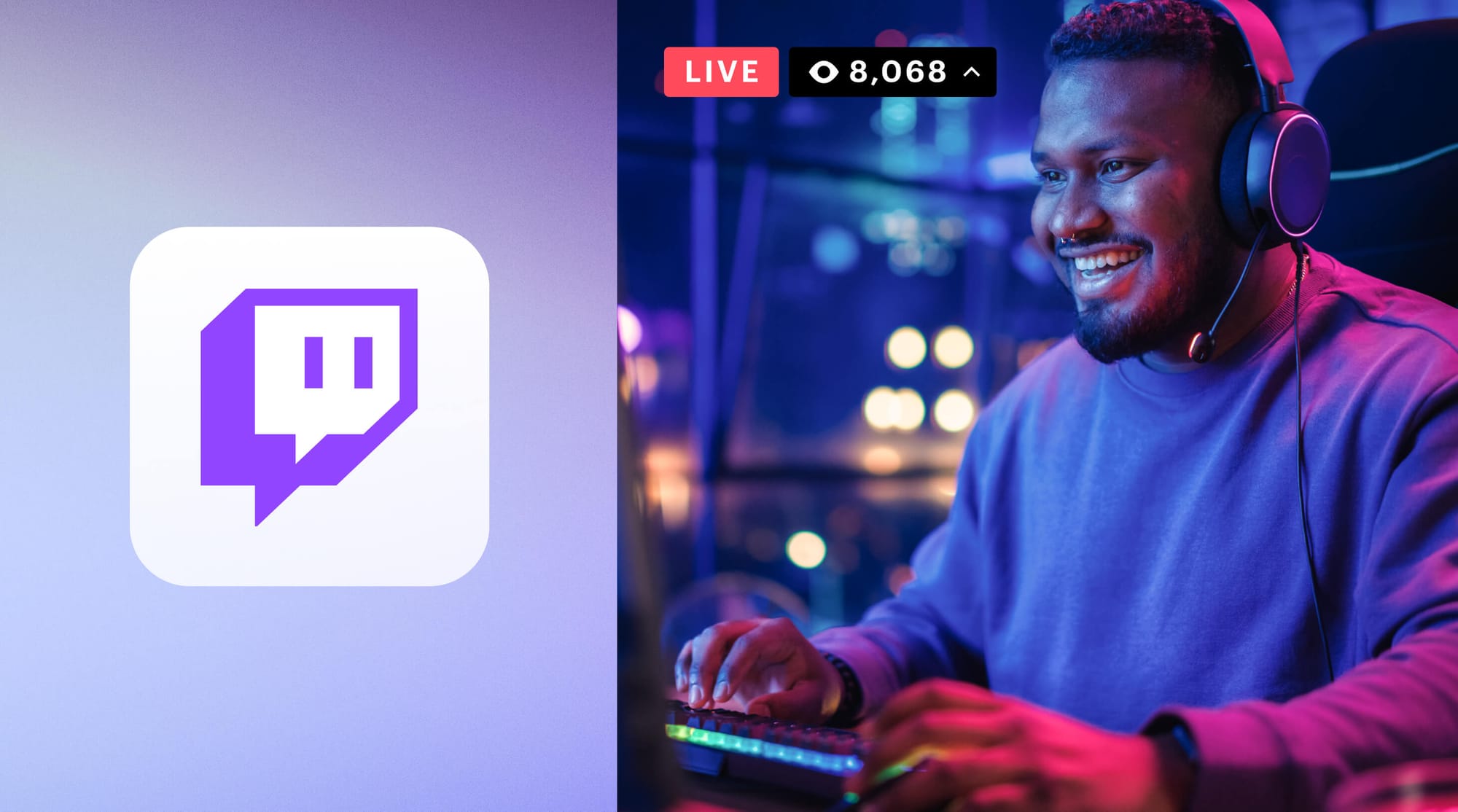
Twitch has transformed the way gamers and content creators distribute their experiences with spectators around the globe. Whether you are an dedicated viewer who loves viewing live streams or a creator excited to build your following, preserving your most cherished moments is crucial. From intense gameplay to hilarious mishaps, the thrill of Twitch often merits to be saved and distributed long after the stream has finished.
In this tutorial, we will walk you through the top methods to capture, download, save, and preserve Twitch content across any device. Whether you want to capture a live stream, download VODs, save clips, or make highlights, we will explore the techniques and methods you should use to ensure that your beloved moments are kept safe. Knowing how to properly preserve Twitch content not only improves your viewing experience but also facilitates your journey as a streamer or content creator seeking to grow and connect with your fan base.
Capturing Twitch Streams
Capturing Twitch broadcasts is important for storing your favorite moments, be it that you're a casual viewer or a dedicated streamer. There are multiple ways to record content, depending on your platform and needs. Using specialized software or native tools, you can conveniently set up your capturing process. For instance, streamers can use OBS Studio or Streamlabs OBS, which offer customizable settings to ensure you capture both video and audio at optimal quality.
If you're on a Mac or Windows computer, the process is straightforward with video recording tools that provide options for adjusting resolution and bitrate settings. This allows you to tailor the recording to align with the standard you want for your Twitch.tv content. On the flip side, mobile users can leverage screen recording features on iOS or Android devices to capture streams on the go, ensuring you do not miss out on thrilling live events.
It's vital to consider storage and management when recording streams. Setting up a plan for file organization will help you manage your recorded content, making it easier to access and edit later on. Additionally, being aware of legal aspects, including fair use, is essential to make sure you are compliant while capturing and distributing Twitch.tv streams. By following these principles, you can effectively record and store the streams you love for future viewing.
Obtaining Videos on Demand and Highlights
One of the most popular features on Twitch is the ability to obtain videos on demand and clips from your favorite streams. VODs are archives of live streams that stay available for a set period, giving viewers a possibility to catch up on content they may have not seen. To obtain StreamRecorder streaming tool , go to the stream you wish to, select the sharing button, and select the obtain option if it is present. If you are a streamer, ensure that the VOD settings are turned on in your account to access this feature seamlessly.
For those seeking to save notable moments, Twitch clips offer a quick and straightforward way to capture important moments from streams. Clips can be created directly from the VOD interface by highlighting a portion of the stream up to 60 seconds in duration. Once made, you will have the chance to obtain these clips instantly. This feature is notably useful for distributing noteworthy segments on social media or your own platforms without needing to obtain the whole stream.
In addition to Twitch's built-in features, there are multiple external applications and tools created to elevate the obtaining experience. Some software allow mass downloading of VODs and clips, which can conserve time for dedicated content creators and fans alike. Ensure that you pick reliable software that maintains high-quality recordings while considering the legal concerns of downloading content, particularly for re-sharing purposes.
Archiving and Arranging Media
To ensure your beloved moments from Twitch are saved for the long haul, archiving and structuring your media is vital. Begin by categorizing your videos based on the category of media, such as broadcasts, highlights, or snippets. This approach facilitates to access specific moments when you want to look back on them in the future. Establish directories for each kind and think about marking them with timestamps and broadcast names to improve your arrangement system.
Once you have sorted your Twitch footage, it's important to choose the right file formats for preservation. Common media formats like MPEG-4 or Matroska are favorable due to their compatibility across multiple devices and modifying software. Make sure to also note the video quality and bitrate settings used during capture, as this can influence the fidelity of your kept content. Consistently check on the available space and perform data backups to protect your content.
Consider developing a media backup strategy to maintain reach to your beloved Twitch highlights. Utilize cloud storage services for external backup, which makes certain your videos are safe from physical hardware failures. For added ease, you can implement auto uploading of new videos to your chosen storage solution. This systematic approach not only safeguards your Twitch media but also makes it easily available for subsequent modifying or broadcasting.
Best Strategies and Tools
To effectively capture, download, and store your favorite Twitch moments, selecting the appropriate tools and following best practices is essential. Begin by choosing reliable Twitch recording software that matches your OS. Tools like OBS Studio and Streamlabs are popular for desktop users, offering features like adjustable resolution and bitrate settings that guarantee a high-quality capture of both visuals and sounds. Smartphone users can benefit from apps specifically tailored for capturing screens, allowing them to record live streams directly on their devices.
When capturing, it is important to have a robust content backup strategy in place. Regularly maintaining your Twitch recordings can avoid the build-up of chaotic files. Utilize specific naming conventions and directories to sort streams, clips, and highlights, making it simpler to find them later. For extended storage, consider archiving videos to an external hard drive or cloud storage services, which ensures that you keep your content without relying solely on Twitch's storage solutions.
Comprehending the legal considerations for Twitch recording is also essential. Get acquainted with fair use policies and Twitch's rules to avoid potential copyright issues. Always obtain permission from other creators if you intend to use their content in your recordings. By following these best practices and utilizing the appropriate tools, you can successfully archive and relish your beloved Twitch moments for years to come.
Juridical Aspects
When recording and saving Twitch streams, it is important to be aware of the lawful aspects involved. Twitch streamers hold ownership of their content, which indicates any recording or downloading should be done with authorization from the content creator. This is especially important if you wish to share or monetize the recorded content in any way. Always check for particular guidelines set forth by Twitch and adhere to the rights of other streamers to steer clear of any infringement issues.
Fair use is a critical concept for utilizing recorded content. It typically allows limited use of copyrighted material without consent under certain conditions, such as for commentary, criticism, or education. However, fair use can be a complex area that varies by case. If you intend to edit or distribute recorded Twitch moments, grasping these nuances is important to reduce legal risks and ensure compliance with copyright laws.
Finally, take into account the platform's terms of service regarding content retention and sharing. Twitch has rigorous rules regarding the use of its content, and violations can lead to account suspension or legal action. Focus on transparency and integrity by acquiring necessary approvals and providing credit to original creators, making sure that your content backup strategies adhere to their rights and the broader Twitch community's ethical standards.