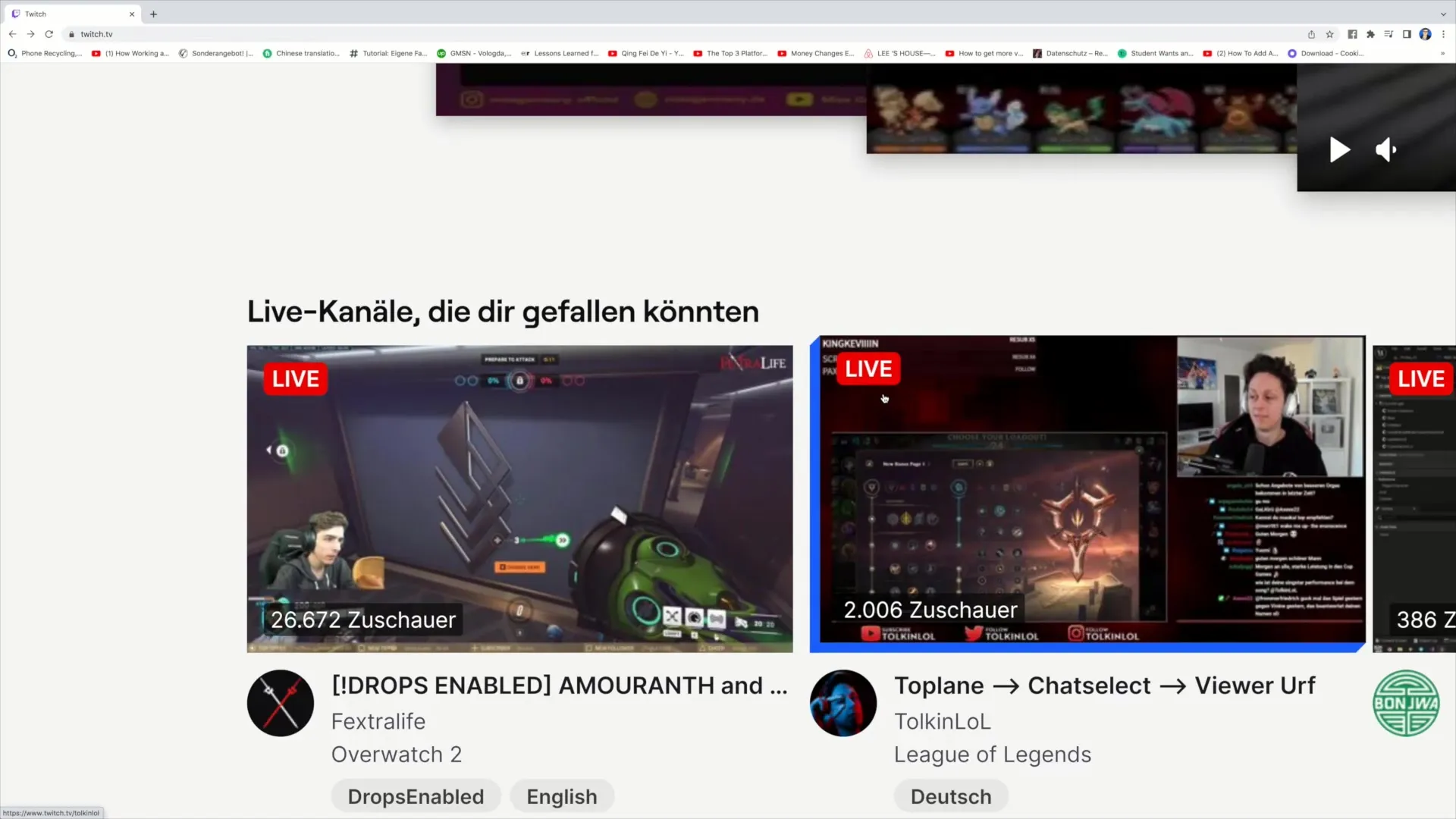
In the quick-moving world of Twitch, live broadcasts can be enchanting experiences that engage the emotions of viewers and build close-knit communities. However, the transient nature of these streams often means that amazing instances can be gone forever if they are not captured and archived. Whether you are a seasoned streamer or a passionate viewer, understanding how to effectively record, save, and store Twitch content is crucial for preserving those unforgettable moments and ensuring you can re-experience and distribute them at any time.
This guide will discuss various methods for capturing Twitch content across various platforms and gadgets. From capturing live streams and saving VODs to saving clips and key moments, you'll learn about the most effective tools and methods for archiving your favorite instances. We'll go over everything from desktop and smartphone capturing options to automated processes that make the job easier. By the end, you'll have the expertise you need to protect your Twitch and assist your channel expand through effective media storage.
Documenting Methods for Twitch Streams
To effectively capture Twitch broadcasts, it's crucial to comprehend the various methods offered on multiple devices. For PC users, using computer recording software like OBS Studio or Streamlabs can provide robust features for recording top-notch video and sound. These programs allow for adjustment of quality and bitrate, ensuring the final output fits your preferred standard criteria. For Mac users, equivalent software choices are available, including OBS and QuickTime, which make it straightforward to configure capture configurations tailored to your broadcasting needs.
Mobile Twitch recording has gained traction, especially for users who broadcast from their phones. Applications designed for mobile devices can capture gameplay and broadcasting sessions without the requirement for additional equipment. It's crucial to pick a reliable app that not only captures but also preserves audio and video clarity during the capture process. Look for capabilities such as the ability to alter settings for optimal performance, which can enhance the overall recording experience.
When saving Twitch clips, think about utilizing software that allow for multiple download options. This permits for several clips and VODs to be saved together, simplifying the management of your content. Scheduled recording systems can further ease saving, automatically capturing streams at designated times. These methods not only help maintain your material for subsequent use but also enable effective handling of your Twitch library, assisting in channel development plans and material producer tools.
Saving and Preserving Twitch Content
To download and save Twitch content, you primarily have a couple of options: by hand saving video on demand and using third-party applications designed specifically for the platform recordings. If you are a broadcaster or audience member looking to keep memorable highlights, knowing how to effectively save Twitch videos is important. You can access your past streams through the Twitch dashboard, where broadcasters can choose their desired video, tap the settings, and choose the choice to download. This method is straightforward and supports the storage of your videos right from the platform.
For those who want to save clips or short videos, there are various ways to choose from. Twitch allows users to make and share clips, which can be saved using the native features or saved via external applications. Many users prefer external tools that offer automated solutions for mass saving Twitch snippets and highlights, simplifying the process considerably. Ensure the software you choose aligns with your standards, as well as your chosen audio and visual preferences, to keep high quality in your files.
When considering saving space and organization, it’s crucial to think about how you will handle the downloaded content in the future. Create a structured approach to labeling files, categorizing streams, and choosing the best video type options for your requirements. By creating good media backup strategies, you can ensure that your beloved Twitch.tv moments are preserved safely and stay available for subsequent watching, all while considering any lawful implications and usage rules related to the redistribution of Twitch content.
Collecting and Handling Live Stream Highlights
To effectively archive and manage your live stream clips, commence by selecting a dependable video capture tool. A variety of applications feature options specific to Twitch streams. Search for a Twitch capture tool that allows you adjust settings for quality and data rate, ensuring high-quality recordings. Applications that offer batch downloading are especially beneficial for managing larger amounts of material and can free up you time when organizing your recordings.
Once saved, think about establishing an organized filing and organization strategy. Building a systematic file hierarchy can aid you sort footage based on titles, events, or topics. Additionally, using standardized naming conventions will make it easier to find particular footage later. Online storage options can be advantageous for long-term storage, allowing you to retrieve your recordings from multiple platform while providing an extra layer of protection.
Finally, stay informed about copyright issues when saving Twitch recordings. Understanding copyright rules is important for ensuring that your recorded content adhere to intellectual property laws. As you develop your repository, keep in mind content creator tools available on the platform can help in this endeavor, aiding you to maximize both the preservation and profit of your footage. By utilizing these tactics, you can successfully manage your broadcast footage for later access.
Legal Aspects for Recording on Twitch
When recording and archiving Twitch content, it is crucial to be aware of the legal implications involved. Twitch's service agreement enable streamers to archive their own broadcasts and clips; however, this privilege does not always extend to viewers or other users. Prior to recording someone else's stream, it's crucial to obtain permission from the content creator to evade potential copyright infringement. Always value the rights of the creator and their media.
Guidelines for fair use can be complex and vary by region. Though some uses of recorded content might fall under fair use—such as commentary or educational purposes—depending on fair use offers no assurance against legal challenges. It's sensible to act carefully and consider the purpose behind the recording. If you plan to use Twitch recordings for profit or to generate income from content, this increases the likelihood of complications and may require consent from the original streamer.
To sum up, always be cognizant of the keeping and disseminating of recorded content. Even if the original recording is permissible, spreading or sharing content without adequate rights can lead to legal disputes. Content creators should also reflect on how they manage their archived streams, ensuring that they are safe against unauthorized access and potential liability. Adopting proper security measures and comprehending the legal terrain will help preserve the integrity of Twitch recordings.
Improving Content Quality and Structure
To ensure a top-notch capture of Twitch broadcasts, it is crucial to concentrate on audio and visual quality settings. Selecting StreamRecorder desktop and bitrate can make a notable difference in the audience engagement. Most streamers select at least 1920x1080 pixels resolution at 60 frames per second to record the rapid action typical of many games played. Additionally, using a good quality microphone for crisp audio can enhance spectator involvement. Investing high-end capturing equipment, such as a dedicated capture card, can also boost the general quality, providing a smoother and more satisfying viewing experience.
Arrangement of your streams is equally important as its quality. Creating a systematic system for storing and classifying your recorded streams, videos on demand, clips, and highlight reels can streamline access and boost productivity. Consider using directories categorized by title, time, or category of content. Implementing a reliable file naming standard for documents will make it more convenient to find exact footage when spectators look for them or when you're searching for content to modify. This systematic approach aids both in quick availability but also in sustainable storage solutions, as it sets a distinct approach to archiving.
In conclusion, while recording and arranging content, it's crucial to consider legal considerations in mind. Educating yourself with fair use rules and copyright laws will help prevent potential pitfalls when publishing or profiting from your footage. Informing yourself on the appropriate use of sound, game snippets, and external material is necessary. By doing so, you preserve the quality of your space while confirming that your archival efforts assist your growth as a content creator.